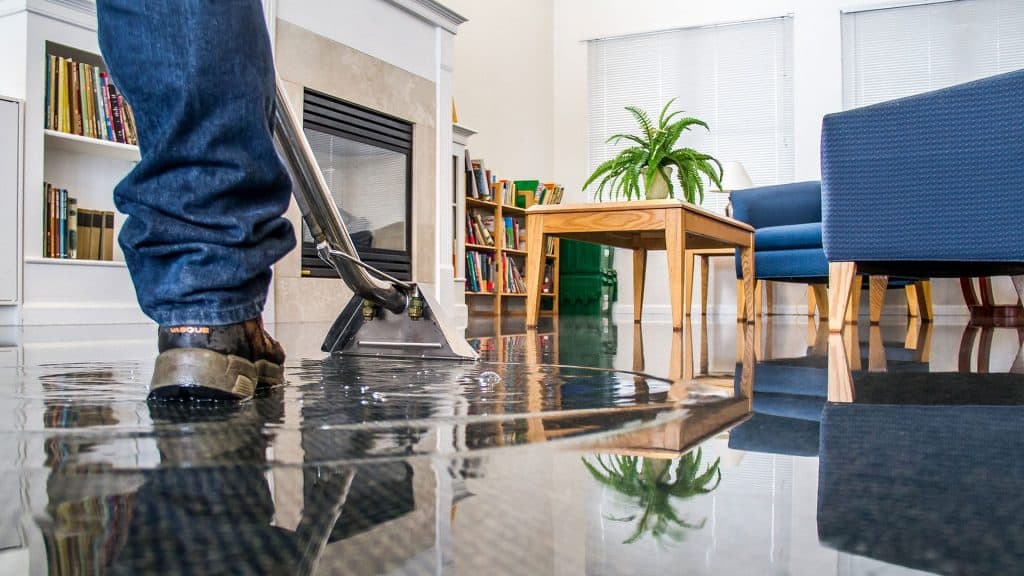
We provide 24/7 emergency response and aim to reply to every inquiry within 15 minutes. Once we understand the situation, we dispatch the appropriate team for on-site assessment, water extraction, moisture control, and stabilization. Fast action helps limit structural damage, protect belongings, reduce mold risk, and begin the drying process as quickly and safely as possible for your property today.
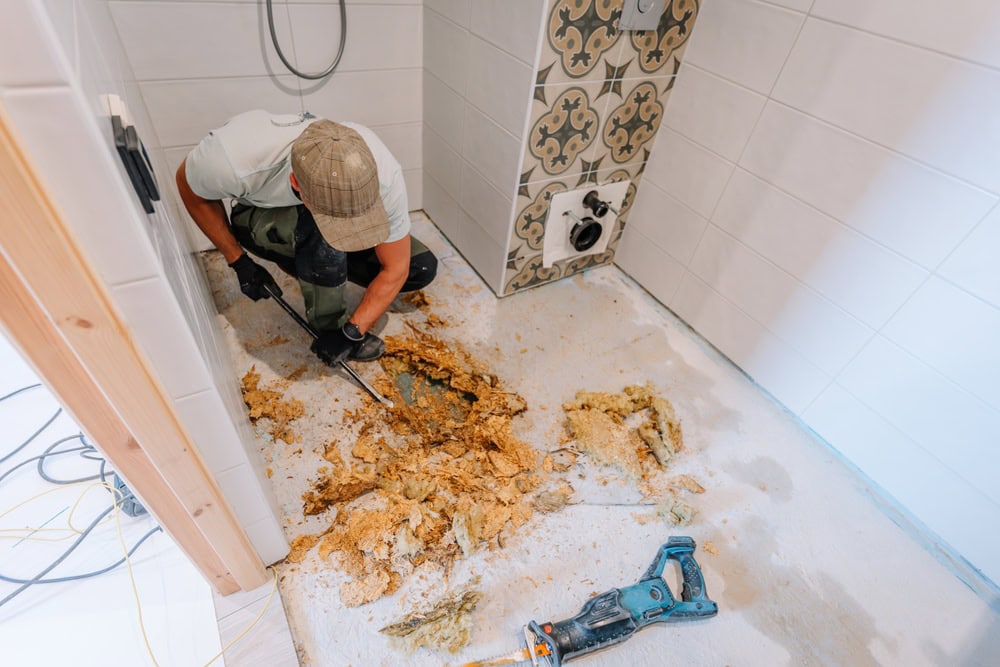
Our water damage restoration process begins with an inspection to identify the source, affected materials, and moisture spread. The team then performs water extraction, moisture mapping, structural drying, dehumidification, cleaning, sanitizing, and odor control. Damaged materials are repaired or replaced as needed, with ongoing moisture checks to confirm the property is properly dried and ready for final restoration work safely.
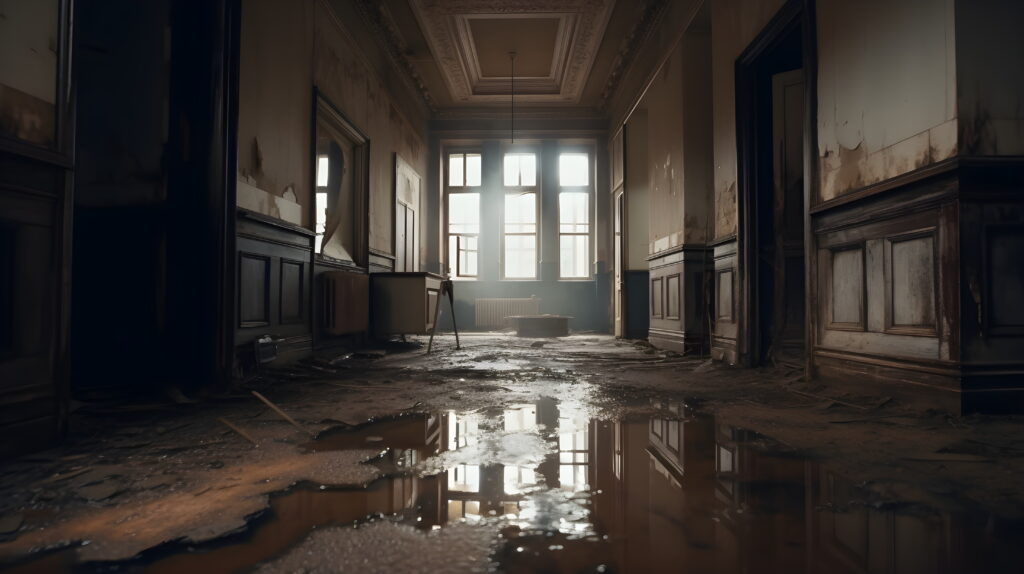
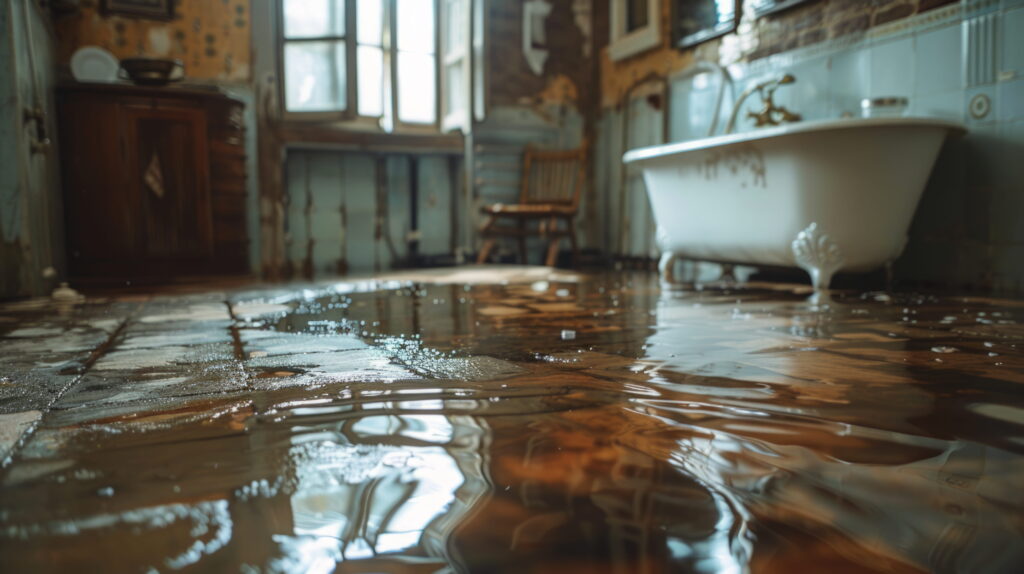
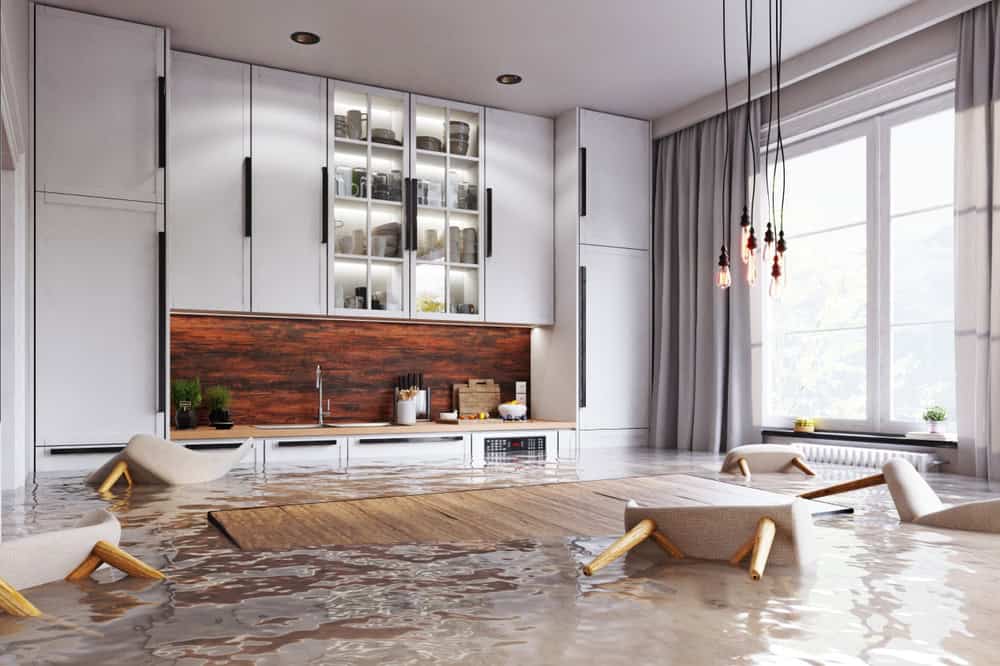
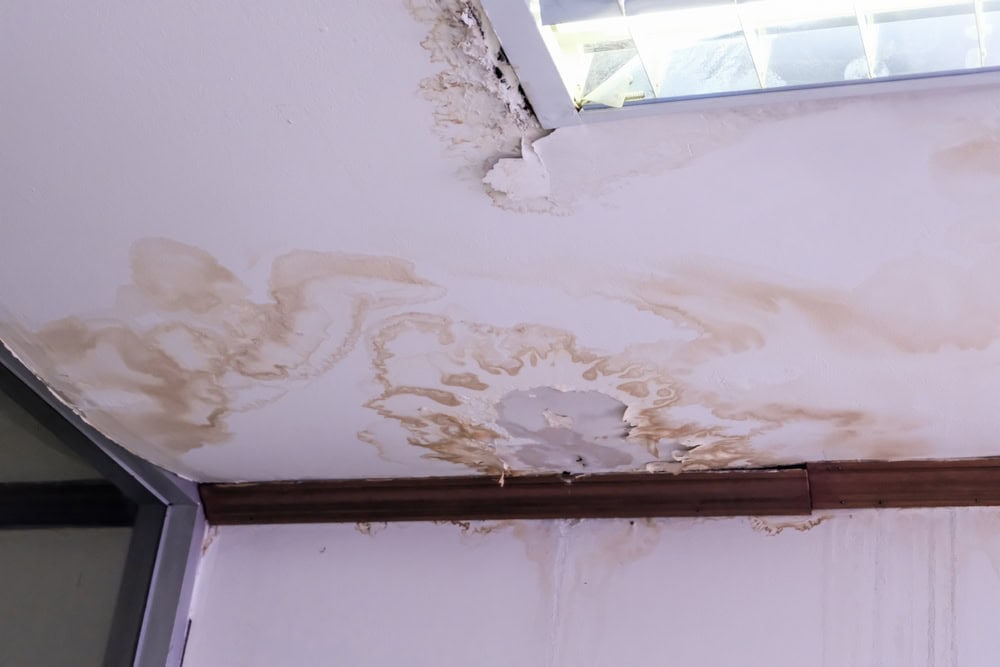
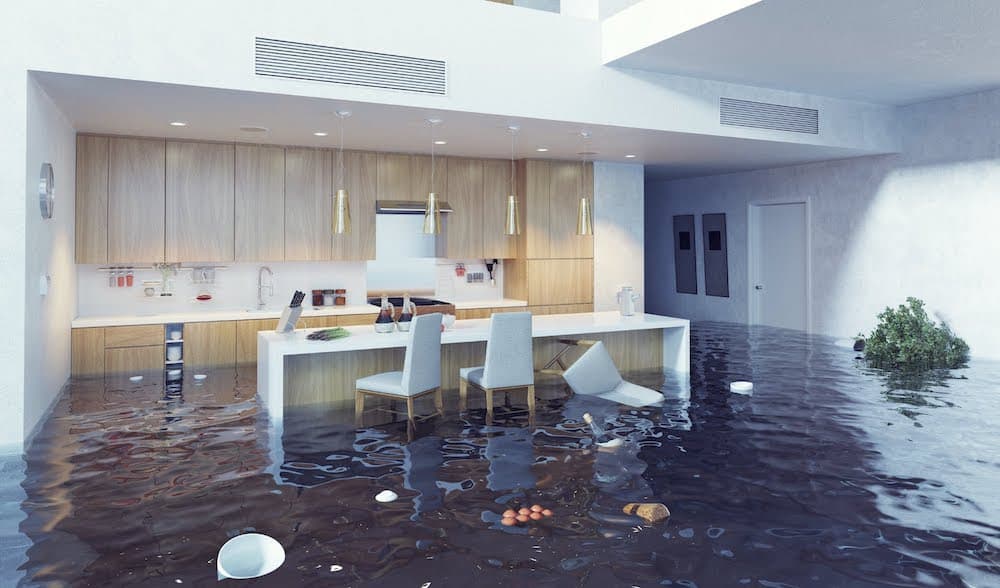
Parkside Restoration clean up water damage caused by burst or frozen pipes, sump pump failures, appliance leaks, roof leaks, basement flooding, overflowing sinks, tubs, or toilets, sewage backups, foundation leaks, HVAC problems, and storm-related water intrusion. Services may include extraction, basement water removal, sanitizing, odor control, structural drying, and repairs for homes and commercial properties throughout the local service area.
Yes. Parkside Restoration can manage large-scale emergency water damage restoration for residential, commercial, and multi-area properties. The team coordinates immediate water removal, moisture detection, controlled demolition when required, commercial drying equipment, dehumidification, cleaning, disinfection, documentation, and repairs. Each project is organized around safety, damage control, efficient communication, and restoring the property as thoroughly as possible from start to finish successfully.
Yes. Basement flood damage cleanup includes removing standing water, inspecting hidden moisture, drying walls, flooring, framing, and other affected materials, and addressing odors or contamination. The service may also involve sump pump failures, foundation leaks, heavy rain intrusion, pipe breaks, or sewage backups. Professional equipment helps support thorough drying and reduce the risk of mold and long-term property damage afterward.